

Cold & Flu Season: Prevention Is the Best Medicine
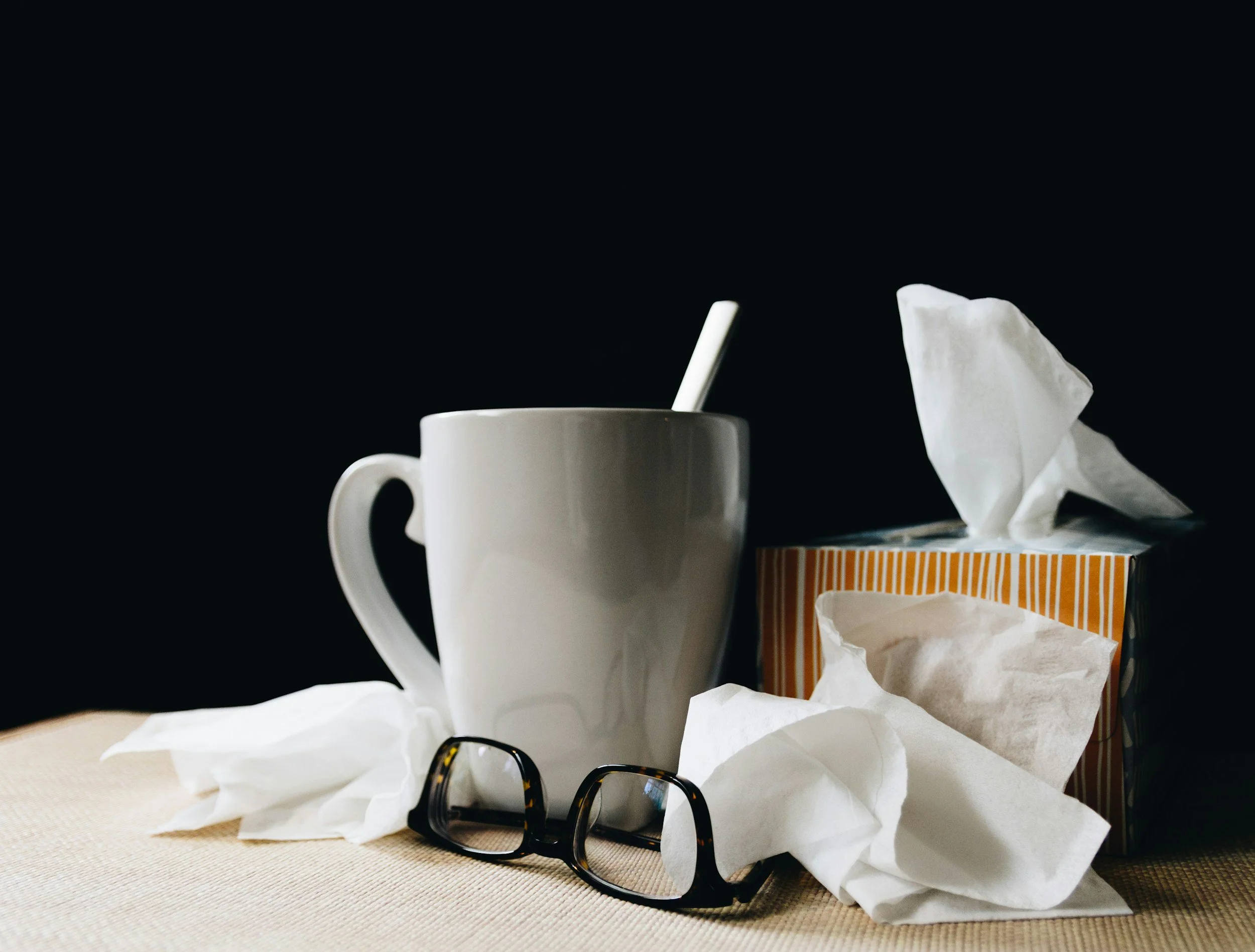
Cold & Flu Season: Prevention Is the Best Medicine
Simple, science-backed ways to stay healthy and feel better when illness strikes.
Cold and flu season is here, and nobody has time to be sick! Between work, family, and everything else on your plate, getting knocked down by a virus can throw your whole routine off.
At Kultivate Women's Health, we believe prevention is the best medicine. And while we can't avoid every germ, there are simple things we can do to lower our risk of getting sick.
The good news? You don't need an expensive supplement routine or a cabinet full of cold medicines. A few healthy habits, some preparation, and knowing what actually works can make a difference.
First, Let's Talk Prevention
The best time to prepare for cold and flu season is before you start feeling that scratchy throat.
1. Protect Yourself With Vaccines
Vaccines are one of our best tools for preventing serious respiratory illness.
Flu: Get your annual flu vaccine.
COVID-19: Stay current with recommended vaccinations.
RSV: Certain adults, including older adults and those with health conditions that increase their risk, may benefit from vaccination. RSV vaccination is also recommended during specific weeks of pregnancy to help protect newborns.
Not sure which vaccines you need? Talk with your healthcare provider about what's right for you.
2. Make Sleep a Priority
We talk about sleep a lot at Kultivate, and for good reason!
Sleep is essential for a healthy immune system. Research shows that people who regularly sleep fewer than six hours a night may be more likely to catch a cold.
Aim for 7–9 hours of quality sleep each night.
Try to keep a consistent bedtime, limit evening screen time, and give your body the rest it needs. Sleep isn't a luxury. It's an important part of taking care of your health.
3. Keep Germs From Spreading
Sometimes the simplest habits are the most effective.
Wash your hands regularly with soap and water.
Keep hand sanitizer nearby when you're on the go.
Avoid touching your eyes, nose, and mouth with unwashed hands.
Cover coughs and sneezes with a tissue or your elbow.
Improve indoor airflow by opening windows when possible or using a HEPA air purifier.
Consider wearing a well-fitting mask in crowded indoor spaces, especially when respiratory viruses are circulating.
And if you're sick, stay home when possible. Giving yourself time to recover also helps protect others.
4. Keep a Few Essentials at Home
There's nothing worse than feeling terrible and realizing you have nothing in the house to help.
Before cold and flu season gets into full swing, consider stocking up on:
COVID-19 home tests or combination COVID/flu tests
Saline nasal spray or rinse supplies
Honey and herbal tea
Acetaminophen or ibuprofen, if safe for you
A thermometer
Tissues and hand sanitizer
A little preparation now can save you a trip to the pharmacy when you're not feeling your best.
Already Sick? Here's What Actually Helps
Most common colds are caused by viruses and improve on their own, usually within one to two weeks.
Antibiotics don't treat viruses. And while there's no magic cure for the common cold, several simple remedies can help ease your symptoms.
Rest, Rest, Rest
Your body is working hard to fight an infection. Give it some help!
This isn't the time to push through an intense workout or pack your schedule. Light movement is fine if you're feeling up to it, but prioritize rest and sleep.
Stay Hydrated
Water, warm tea, and broth are all great choices.
Warm liquids can soothe a sore throat and help loosen mucus. If you're running a fever, staying hydrated becomes even more important.
Try Saline Nasal Rinses
Saline sprays and rinses can help clear mucus and relieve nasal congestion without medication.
If you're using a neti pot or rinse bottle, always use distilled, sterile, or previously boiled and cooled water. Never use regular tap water.
A warm shower or clean humidifier may also provide temporary relief.
Honey for Coughs and Sore Throats
Sometimes the best remedy is already in your kitchen.
Try 1–2 teaspoons of honey on its own or mixed into warm tea. Honey may help calm a cough and make it easier to sleep.
And while manuka honey gets plenty of attention, research hasn't established that it's better than regular honey for treating a cough.
What About Zinc, Vitamin C, and Elderberry?
We get it. When you're sick, you'll try almost anything to feel better faster.
But what does the science actually say?
Zinc: Oral zinc lozenges may shorten a cold when started early, ideally within the first 24 hours. However, results vary, and side effects like nausea and an unpleasant taste are common. Avoid zinc nasal products because they may damage your sense of smell.
Vitamin C: Taking vitamin C regularly may slightly shorten a cold, but starting it once you're sick hasn't consistently shown a benefit. More isn't necessarily better.
Elderberry: Some small studies suggest elderberry may help with symptoms, but the evidence is limited. It's not a proven treatment or prevention strategy. Avoid raw or unripe elderberries, which can be toxic.
Our advice? Supplements are optional, not essential. Focus on the basics first.
Use Over-the-Counter Medications Wisely
Acetaminophen (Tylenol) and ibuprofen (Advil or Motrin) can help with headaches, body aches, sore throats, and fever.
But remember, medications aren't one-size-fits-all.
Some cold medicines contain multiple ingredients, including acetaminophen, so check labels carefully to avoid doubling up.
Decongestants and certain pain relievers may also be inappropriate if you have high blood pressure, heart disease, kidney problems, or other medical conditions.
If you're unsure what's safe with your health history or medications, ask your healthcare provider.
Know When to Test and When to Call
Not every cough or fever is just a cold.
Influenza and COVID-19 can cause similar symptoms, and both have prescription treatments that may help, especially if you're at higher risk for complications.
Timing matters!
Flu medications work best when started within the first 48 hours of symptoms. Certain COVID-19 treatments can be started within five days, depending on the medication.
If you develop flu-like symptoms, consider testing early rather than waiting several days to see if things improve.
Contact a healthcare provider promptly if you test positive for flu or COVID-19 and are pregnant, older, immunocompromised, or have a chronic health condition.
Also reach out if you have:
A fever above 102°F or one lasting more than three days
Symptoms that improve and then suddenly get worse
Symptoms that persist beyond 10–14 days without improvement
Significant sinus pain, facial pressure, or ear pain
Seek emergency medical care for trouble breathing, persistent chest pain, new confusion, or severe dehydration.
When Can You Get Back to Normal?
We know it's tempting to jump right back into your routine once you start feeling better.
But giving yourself enough recovery time is important for both you and the people around you.
Stay home until your symptoms have been improving for at least 24 hours and you've been fever-free for at least 24 hours without fever-reducing medication.
For the next five days, consider extra precautions like wearing a mask, improving ventilation, and avoiding close contact with people at higher risk.
Remember, feeling better doesn't always mean you're no longer contagious.
The Kultivate Takeaway: Keep It Simple
We love a proactive approach to health, but staying well doesn't have to be complicated.
Prioritize sleep. Get recommended vaccines. Wash your hands. Take care of your body. And when you're sick, give yourself permission to rest.
You don't need every supplement on the shelf or the latest wellness trend to support your immune system.
Prevention is the best medicine, and sometimes the simplest things really do work best.
At Kultivate Women's Health, we're here to help you make informed, evidence-based decisions about your health through every season of life.